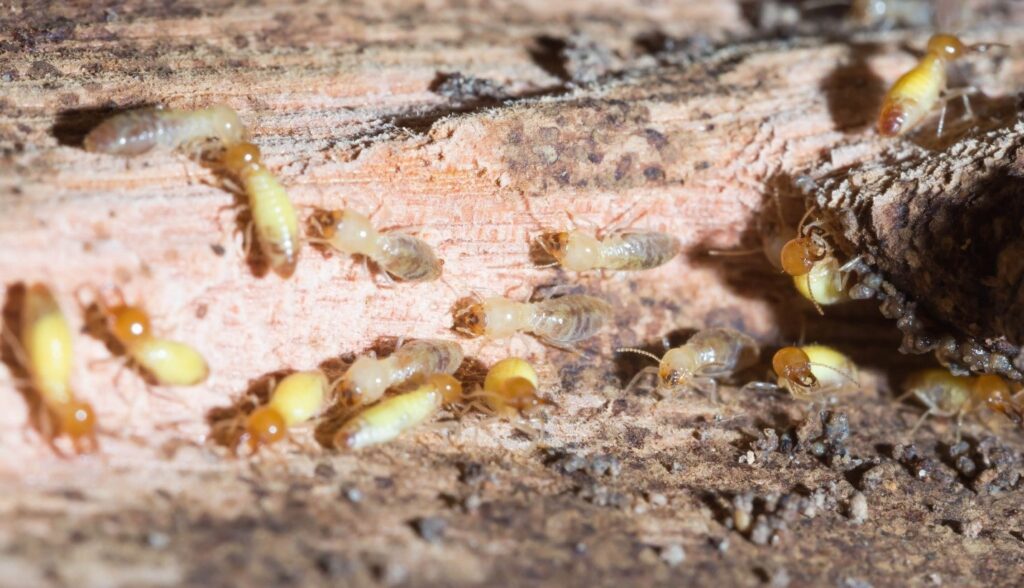
What Are Termite Control Services and Why Are They Important?
Termite control services are professional pest management solutions designed to detect, eliminate, and prevent termite infestations in residential and commercial properties. These services include inspections, treatments using various methods like liquid barriers or bait stations, and ongoing monitoring to protect structures from wood-destroying insects.
The financial stakes are significant. Termites cause billions of dollars in property damage across the United States annually, with the average homeowner facing repair costs between $3,000 and $8,000 per infestation. Most homeowner’s insurance policies don’t cover termite damage, making termite control penrith and early intervention critical for protecting your investment.
Understanding the importance of termite control goes beyond immediate pest elimination. These silent destroyers work 24/7, consuming wood from the inside out, often remaining undetected until substantial structural damage occurs. A single colony can contain hundreds of thousands of termites, each capable of compromising your home’s integrity.
This article focuses on a question every homeowner asks after treatment: how long will this protection last? We’ll explore the lifespan of different termite treatment methods, factors affecting their durability, and why regular inspections remain essential for long-term protection. Knowing what to expect helps you plan maintenance schedules and budget accordingly for your home’s defense against these destructive pests.
What Factors Influence the Longevity of Termite Treatments?
The termite treatment lifespan depends heavily on which termite species has invaded your property. Subterranean termites nest underground and require moisture, making them susceptible to liquid barrier treatments that can last five years or more. Drywood termites live entirely within wood structures without soil contact, demanding different treatment approaches like fumigation that may protect your home for over five years.
The severity of your infestation directly impacts how long protection lasts. Light infestations caught early respond better to treatments, allowing the full expected lifespan of the chosen method. Heavy infestations with extensive colony networks may require more aggressive approaches or combination treatments, potentially shortening the effective protection period as termites have already compromised structural integrity.
Factors affecting termite control include your home’s physical characteristics and accessibility. Homes with crawl spaces, basements, or complex foundations present more entry points for termites and challenges for complete treatment coverage. Properties with dense landscaping touching the foundation, wood-to-soil contact, or moisture problems create conditions where treatments break down faster. Newer construction with modern termite-resistant materials typically maintains treatment effectiveness longer than older homes with untreated wood and multiple vulnerable areas.
The soil composition around your property also plays a role. Sandy or disturbed soil allows liquid treatments to disperse unevenly, reducing their protective barrier lifespan compared to clay-rich soil that holds treatments in place.
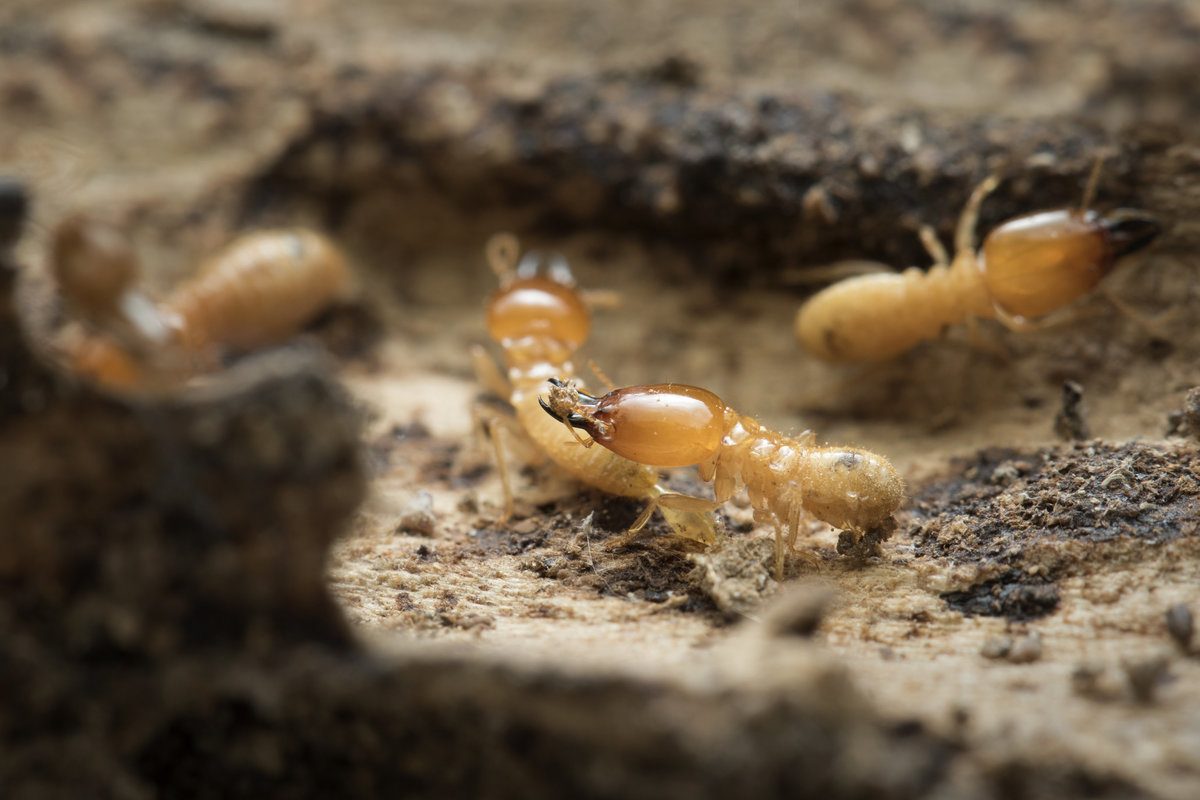
How Long Do Common Termite Treatment Methods Last?
Liquid Barrier Treatment
Duration: Averages five years for most applications.
These chemical treatments create a protective zone around your home’s foundation, preventing subterranean termites from entering. Annual inspections remain necessary to verify the barrier’s integrity and catch any breaches early.
Direct Wood Treatment
Lifespan: Depends on the application method.
- Surface treatments applied directly to exposed wood typically protect for about five years.
- Wood injections deliver termiticide deep into timber, extending protection up to 10 years. This method works particularly well for localized infestations in attics, crawl spaces, and structural beams.
Termite Bait Stations
Longevity: Operates differently than barrier methods.
These stations eliminate entire colonies over several months by distributing slow-acting toxins through the termite population. Active monitoring and bait replenishment are required year-round, with stations maintaining effectiveness for approximately one year before needing service.
Gas Fumigation
Effectiveness: Provides the longest-lasting results, often exceeding five years of protection.
This intensive treatment targets drywood termites by filling the entire structure with sulfuryl fluoride gas. Homeowners must vacate the property for 24-72 hours during treatment. The process penetrates all wood surfaces, eliminating termites in walls, furniture, and hard-to-reach areas that other methods cannot access.
Each treatment method requires specific maintenance schedules to maximize protection duration and prevent reinfestation.
Why Are Regular Inspections Essential After Treatment?
Annual inspections serve as your primary defense system to verify that termite treatments continue working as intended. Termite inspection frequency after treatment directly impacts how well your home stays protected, with yearly checkups catching potential breaches before they escalate into major infestations.
Professional inspectors act as early warning systems, identifying problems invisible to untrained eyes. During these visits, technicians examine your property for specific indicators that reveal termite activity or treatment breakdown.
Key signs professionals identify during inspections:
- Live termites crawling near treated areas or in previously unaffected zones
- Termite droppings (frass) appearing as small pellets near wood surfaces, a definitive sign of infestation which you can learn more about here
- Mud tubes constructed along foundation walls or wooden structures
- Hollow-sounding wood indicating internal damage
- Discarded wings from swarmers near windowsills or doors
- Visible structural damage showing cracks or weakened beams
These inspections validate whether liquid barriers remain intact, bait stations continue attracting termites, or wood treatments need reapplication. Catching termite activity within months rather than years prevents the average $3,000 repair bill from ballooning into tens of thousands.
Documentation from annual inspections also maintains warranty coverage with pest control companies. Many treatment guarantees require proof of regular professional monitoring, making these checkups both a protective measure and a financial safeguard for your investment in Termite Control Services Explained: How Long Does a Treatment Last?.
How Do Professional Pest Control Services Tailor Treatment Plans?
Do pest control companies use the same approach for every termite problem? No—customized termite treatments by pest control services start with a comprehensive property assessment that identifies the specific termite species and evaluates infestation severity.
Licensed technicians conduct thorough inspections of your home’s foundation, crawl spaces, attic, and vulnerable wood structures. They look for mud tubes, damaged wood, moisture levels, and entry points. This diagnostic phase determines whether you’re dealing with subterranean, drywood, or dampwood termites, as each species requires distinct treatment strategies.
The assessment results guide professionals in recommending appropriate solutions:
- Liquid barrier treatments for homes with subterranean termite activity around the foundation
- Bait station systems for properties requiring ongoing monitoring and minimal chemical use
- Direct wood treatments when infestation is localized to specific structural elements
- Fumigation services for widespread drywood termite infestations throughout the structure
For instance, fumigation services may be necessary for extensive drywood infestations. Pest control companies consider your home’s construction type, soil conditions, landscaping features, and previous termite history. A crawl space home needs different protection than a slab foundation property.
Technicians also factor in your budget constraints, environmental concerns, and whether you prefer preventative or reactive approaches. Treatment plans may combine multiple methods—such as pairing liquid barriers with monitoring stations—to create comprehensive protection tailored to your property’s unique vulnerabilities and your household’s specific requirements.
In some cases, implementing a specific termite treatment plan based on the type of infestation can yield better results.
What Is the Average Duration Homeowners Can Expect From Termite Treatments?
The average lifespan of termite treatments for homeowners is typically around 5 years. However, this can vary depending on the specific method used and the environmental conditions. When done correctly, most professional treatments offer reliable protection within this timeframe.
Several factors can extend the effectiveness of the treatment beyond the usual 5-year period:
- Regular annual inspections to catch early signs of termite activity before they can damage the treatment barrier
- Proper maintenance of the home, such as fixing moisture problems, sealing cracks, and removing wood debris from around the foundation
- Stable climate and soil conditions without excessive moisture or disturbance to the ground
- High-quality initial application by certified professionals using top-grade products
- Timely retreatment of specific areas that show vulnerability during routine checks

Liquid barrier treatments and direct wood applications usually remain effective for about 5 years under normal conditions. However, wood injection treatments can last up to 10 years if done correctly. Bait station systems require more frequent attention, with annual monitoring and refreshing to maintain control over termite colonies.
The length of time your specific treatment lasts depends greatly on how committed you are to scheduled maintenance visits. If you live in an area with high humidity or aggressive termite populations, you may need more frequent professional help to keep up protection levels.
Conclusion
Protecting your home from termite damage requires more than a one-time treatment. Effective termite control services deliver lasting results only when paired with consistent professional oversight and preventive care.
Annual inspections serve as your first line of defense against re-infestation. Licensed technicians identify warning signs before termites cause significant structural damage, saving you thousands in potential repairs. These routine check-ups also ensure your existing treatment barriers remain intact and functional.
The investment in professional termite control pays dividends through:
- Extended treatment lifespan through proper maintenance protocols
- Early detection of new termite activity before colonies establish
- Customized solutions adapted to your home’s specific vulnerabilities
- Peace of mind knowing your property stays protected year-round
Homeowners who commit to regular monitoring and professional maintenance see their treatments perform at peak effectiveness throughout the expected 5-year lifespan—and often beyond. Skipping inspections or attempting DIY solutions compromises this protection, leaving your home vulnerable to silent destruction.
The answer depends largely on your commitment to ongoing care. Partner with a reputable pest control company that offers comprehensive inspection programs and proven treatment methods. Your home represents your largest financial investment—protect it with services designed for long-term success.
Related : Termite Treatment Sydney: Costs, Methods, and What to Expect